

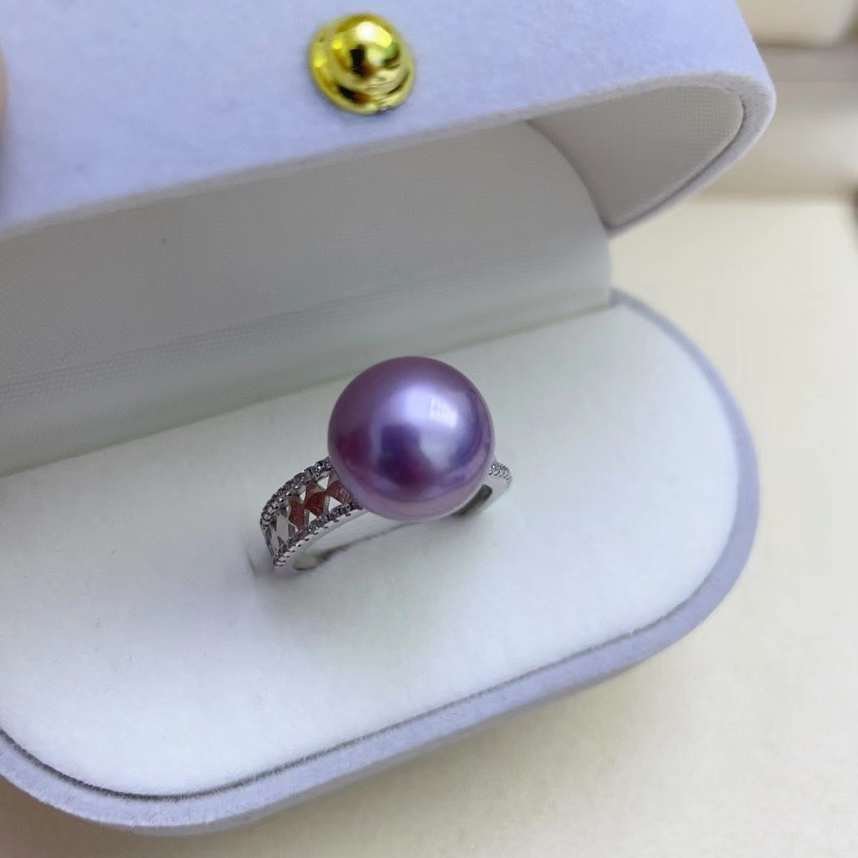
A pearl’s value cannot be judged by size or color alone. Natural or cultured origin, pearl type, quality, matching, jewelry materials, workmanship, market demand, and documentation can all affect price. For a practical quality comparison, start with the seven pearl value factors used by GIA.
The 7 Pearl Value Factors
1. Size
When the other factors are equal, larger pearls of the same type are generally rarer and more valuable. Compare size within a pearl type: an 8 mm Akoya pearl and an 8 mm freshwater pearl do not automatically have the same market value.
2. Shape
Round pearls are difficult to culture consistently and often command a premium when other factors are equal. Symmetrical drops and well-formed ovals can also be valued. Baroque pearls are intentionally appreciated for unique, organic outlines; irregularity is not automatically a defect.
3. Color
Pearl color includes bodycolor, overtone, and sometimes orient—the shifting iridescent colors visible on some surfaces. Value depends on pearl type, quality, rarity, demand, and whether color is natural or treated. Personal preference is important when selecting jewelry.
4. Luster
Luster describes the intensity and character of light reflected from the pearl. Bright, sharp reflections generally indicate higher luster within the same pearl type. GIA describes luster as possibly the most important of the seven factors because it gives pearls their distinctive visual depth.
5. Surface Quality
Most pearls show some surface characteristics. Small spots, ridges, or abrasions may have limited visual impact, while numerous or severe characteristics can affect beauty, durability, and value. Product images should be reviewed at normal viewing scale as well as close-up.
6. Nacre Quality
Nacre contributes to luster and durability. A dull or chalky appearance, or a visible bead nucleus beneath thin nacre, can indicate lower nacre quality in bead-cultured pearls. Nacre assessment is technical and should not be reduced to a single photograph.
7. Matching
For earrings, strands, and multi-pearl jewelry, matching considers consistency of size, shape, color, luster, surface, and nacre. Some designers deliberately mix pearls, but a classic matched pair should appear balanced when worn.
Other Factors That Affect Jewelry Price
- Pearl type and origin: freshwater, Akoya, Tahitian, and South Sea cultured pearls have different typical size ranges and market conditions.
- Natural versus cultured: natural pearls form without intentional human intervention and are much rarer; cultured pearls are real pearls grown with human assistance.
- Metal and construction: precious metal type, weight, clasps, settings, and workmanship contribute to the total price of finished jewelry.
- Design and condition: craftsmanship, complexity, brand, age, provenance, repairs, and wear can matter.
- Documentation: an independent laboratory report can provide identification information, but not every piece is sold with one. Never assume a certificate exists unless it is explicitly listed.
How to Compare Pearl Jewelry Before Buying
- Compare pieces of the same pearl type and similar size.
- Look at reflections to evaluate visible luster.
- Review surface characteristics in multiple photographs.
- Check the measurements, shape, color description, and materials.
- For earrings or strands, inspect how well the pearls match.
- Ask whether treatments or independent reports are disclosed when those details matter to your purchase.
- Choose the balance of beauty, wearability, and price that fits your purpose.
Reference: GIA Pearl Buyer’s Guide.
Pearl Value FAQ
Does a flawless surface mean the pearl is valuable?
Surface is only one factor. Luster, nacre, size, shape, color, matching, pearl type, and the finished jewelry also affect value. A uniform appearance alone does not prove identity or quality.
Are baroque pearls less valuable?
Not necessarily. Round pearls often command a premium when other factors are equal, but attractive baroque pearls can be prized for luster, color, size, and distinctive shape.
Can I determine pearl value from a photo?
A photo can help compare visible appearance but cannot fully establish identity, treatment, nacre quality, condition, or value. High-value decisions may require an independent qualified gemologist or laboratory.
Explore by type: Freshwater · Akoya · Tahitian · South Sea.
